
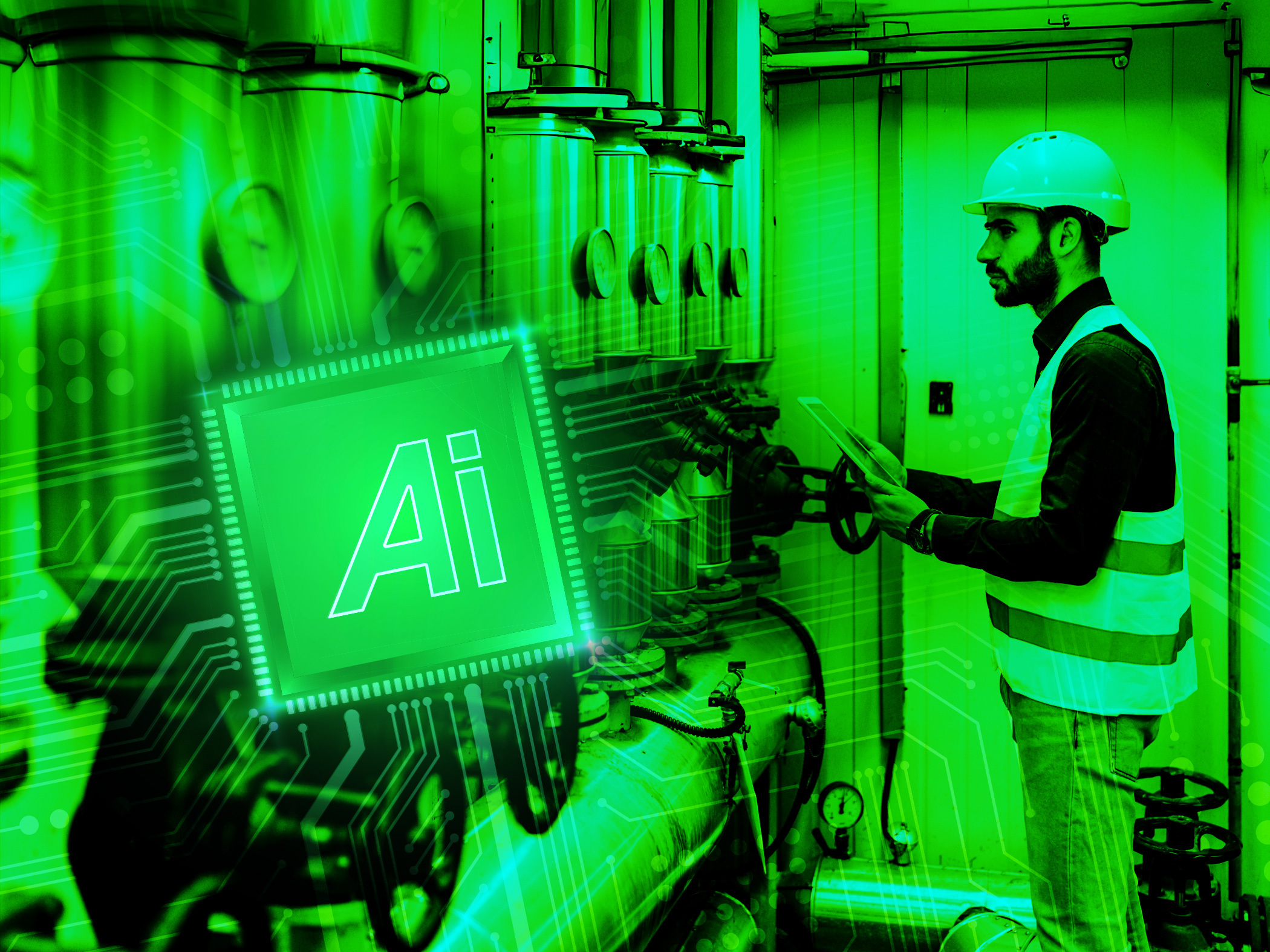
The future of facility management is here, and it's powered by artificial intelligence (AI). Where traditional approaches rely on reactive maintenance and manual processes, AI introduces a proactive, intelligent strategy that can dramatically reduce costs and create more responsive environments.
Here are five ways AI can help you transform your facility into a smarter, more sustainable space.
1. Workforce efficiency
Imagine freeing your team from repetitive administrative tasks while minimizing human error. AI-powered systems can handle scheduling, routine inspections and data entry, allowing your staff to focus on high-priority strategic initiatives. Intelligent scheduling algorithms optimize resource allocation, ensuring the right personnel are assigned to the right tasks at the right time.
While AI provides precision and efficiency, humans still maintain critical decision-making power. This balanced approach combines technological accuracy with human expertise, enhancing both productivity and job satisfaction.
2. Energy management
Energy is often the silent budget killer, consuming 20% to 25% of operating expenses in many facilities. AI-based management systems can improve a building’s energy efficiency by up to 30%. They analyze usage patterns, detecting inefficiencies and adjusting heating, cooling and lighting to minimize waste. For example, these systems adapt to real-time weather changes, occupancy trends and operational needs.
Google demonstrated the potential of this technology by using AI to cut data center cooling costs by 40% through precise, automated adjustments. Continuously optimizing energy consumption allows you to lessen your facility’s carbon footprint and operational expenses.
3. Predictive maintenance
AI-powered sensors continuously monitor equipment performance, detecting subtle changes that might indicate potential failures long before they occur. This proactive approach allows you to schedule maintenance precisely when needed, minimizing unexpected downtime, extending equipment lifespan and significantly cutting maintenance costs.
4. Inventory management
Say goodbye to stockouts and overstocking. AI revolutionizes inventory management through real-time tracking, automated reordering and precise demand forecasting. Intelligent systems monitor stock levels, track usage patterns and automatically generate purchase orders when supplies run low. These capabilities streamline your procurement processes, optimize inventory investments and ensure you always have the right supplies on hand.
5. Space optimization
Advanced analytics can track occupancy patterns, identify underutilized areas and provide insights for more efficient space planning. AI-powered sensors and intelligent monitoring systems can generate detailed heat maps of facility usage, revealing nuanced patterns of how different spaces are utilized throughout the day and week.
These insights enable you to make data-driven decisions about space configuration, equipment placement and resource allocation. For example, AI can help detect rarely used meeting rooms, suggest optimal layouts for collaborative spaces and even recommend potential repurposing of underused areas to maximize operational efficiency and reduce unnecessary overhead costs.
Best practices for AI integration
Adopting AI for facility operations requires careful planning to ensure success. Start with a phased approach by conducting a facility audit to identify high-impact areas for improvement. Pilot programs can test AI solutions in a controlled environment before scaling up.
Other best practices include:
- Ensuring compatibility with existing systems.
- Using open standards where possible.
- Planning for scalability.
- Maintaining robust cybersecurity measures.
With a thoughtful implementation strategy, you can maximize the benefits of AI without disrupting daily operations.