
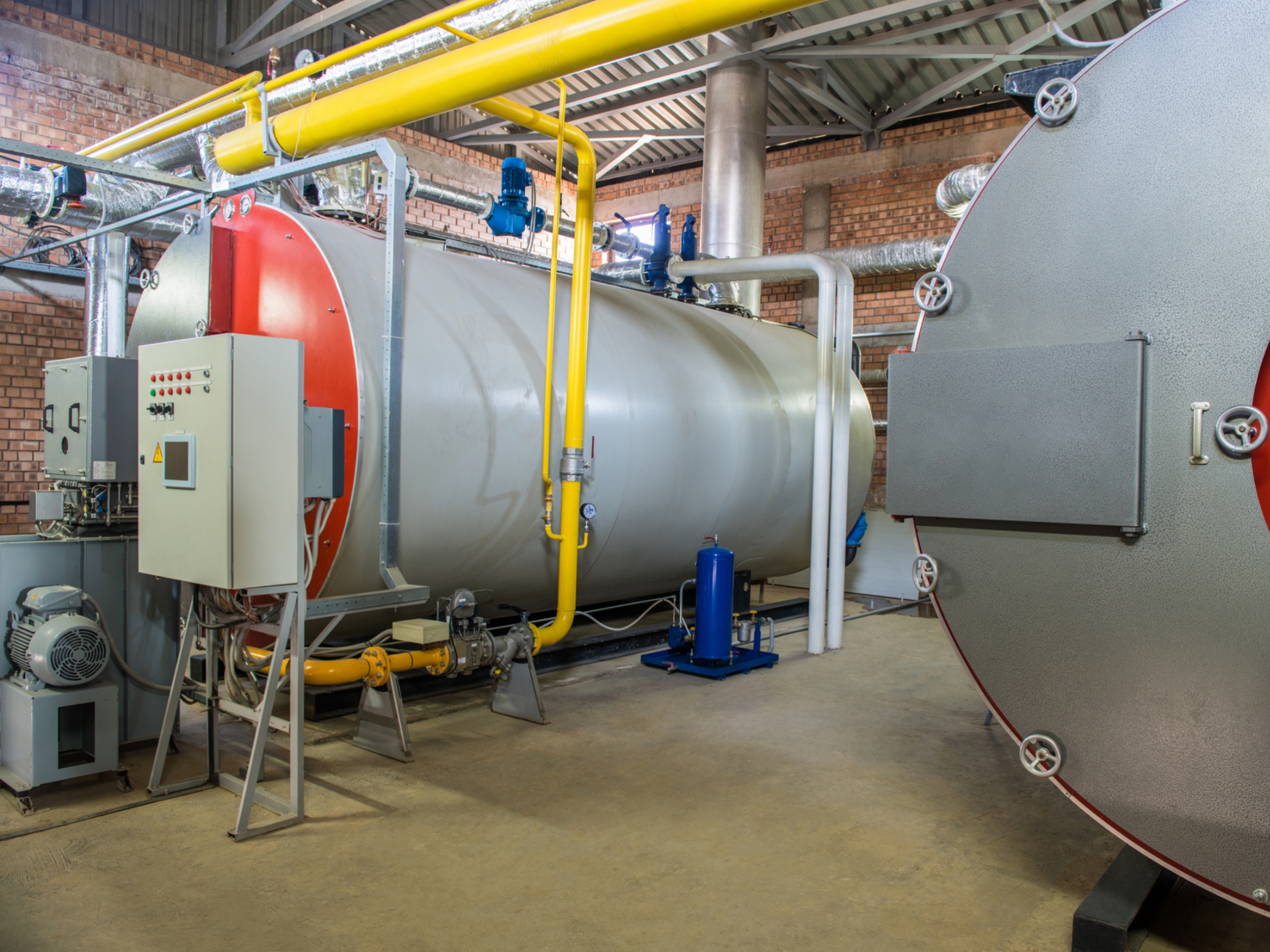
Boilers are really set in their ways. They're designed to operate at a specific temperature to match the coldest day of the year. However, the coldest day of the year doesn't come very often. The rest of the time, the boiler continues to operate without regard to changing outdoor conditions, wasting fuel. Reset controls can change this situation, saving energy and money.
Resetting the system
Once a boiler reset control is installed, 5% to 30% energy savings are possible, depending on the application. These savings result from matching boiler water temperature to the building's heating needs. For every 4°F the water temperature is reduced, an energy savings of 1% will result. Therefore, if you lower the boiler set point from 180°F to 120°F, you'll save 15%.
Reset controls have two temperature sensors: one measures the water temperature, and the other measures the outdoor temperature. As the outdoor temperature varies, the control adjusts the water temperature to the lowest setting that meets the building's heating demand.
This adjustment is achieved using a reset ratio to match the heat input into the building with the heat loss out of the building. For most systems, this ratio will be one, which means the water temperature will increase one degree for every degree the outdoor temperature drops. The reset ratio may need adjusting depending on the type of heating system and the condition of the building envelope.
Boiler reset controls can be used with both condensing and non-condensing boilers. Condensing boilers should be operated at low water temperatures as much as possible for maximum efficiency. For non-condensing units, a three-way motorized mixing valve can be connected to the reset control, which regulates the water temperature in the building while maintaining the boiler's minimum water temperature.
What to look for
Boiler reset controls will usually display the boiler supply temperature and should have the following features:
- Automatic reset ratio calculation to accommodate changing outdoor conditions
- Override reset ratio, which adjusts system supply temperatures for direct water heating
- Minimum boiler setting to match the manufacturer's minimum recommended operating temperature
- Warm weather shut down when the outdoor air temperature is warmer than the indoor temperature
- Automatic boiler differential, which maintains a suitable temperature differential to prevent boiler short cycling
Depending on the manufacturer, other features of a reset control may include:
- Adjustable interstage delay setting, which sets the time delay between boiler firing stages
- Display of error messages and service notifications
- Range of reset ratios to match a building's heat loss characteristics
- Domestic hot water priority, which stops the heating pumps and starts the domestic hot water pump