
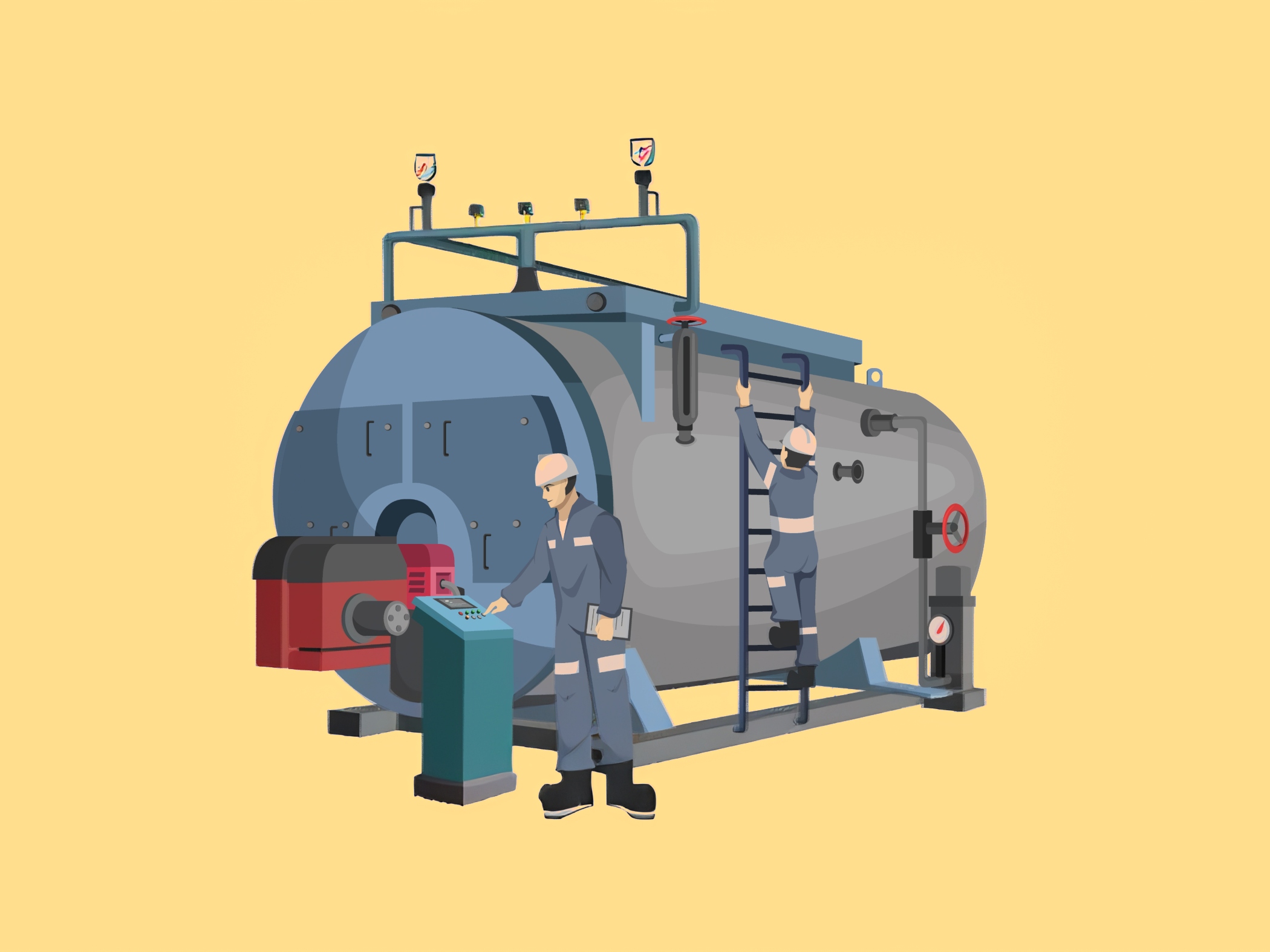
Without proper upkeep, boiler performance and efficiency can decline. Proactive maintenance saves time and energy by focusing on and correcting potential problems before they occur.
Widely used in industrial, commercial and institutional facilities, boilers are a major source of fuel consumption. Without proper upkeep, boiler efficiency can decline steadily and operating costs can increase significantly. A good maintenance strategy can prevent a number of operational problems and save money that would otherwise be spent on wasted fuel and costly repairs.
Be proactive
To optimize boiler efficiency, take a proactive maintenance approach. Focus on anticipating and correcting potential problems. A reactive strategy can be costly in terms of labor, equipment and downtime. A proactive strategy, on the other hand, is a systematic approach that involves continuous inspection, testing and analysis.
Take action
Boiler maintenance generally encompasses three areas: vessels, burners and controls. The following maintenance activities are critical to sustaining peak efficiency:
- Keep heat transfer surfaces clean by regularly inspecting waterside and fireside heat transfer surfaces for soot, corrosion and scale. Insufficient heat transfer lowers operating efficiency and leads to hot spots, which can cause boiler tubes to fail.
- Monitor burner combustion on a regular basis. Note any changes in the shape or color of the flame. Changes may be an indication of soot buildup, soiled fuel nozzles or worn-out linkages.
- Maintain proper air-to-fuel ratio by monitoring and adjusting burners to keep air levels within the appropriate range. Excess air reduces efficiency and causes overheating of boiler components. Low air levels often lead to insufficient combustion and soot buildup.
- Inspect and test boiler controls, such as fuel valves and flame safeguards, on a weekly or monthly basis depending on the size and type of the system. Monitor the water temperature controller and flow switch to ensure that the boiler shuts at the appropriate set points.
Keep the books
Accurate data is critical to preventive maintenance, so the effective use of boiler room logs is important. Record the following data on a daily basis:
- Water level
- Air-to-fuel ratio
- Boiler operating temperatures
- Gas pressure
- Fuel consumption
Regularly review this data to spot trends in boiler operation that indicate performance changes or developing problems. A performance monitoring system, which automatically tracks this data, can facilitate preventive maintenance by quickly identifying degraded system components and sending alerts or by adjusting oxygen levels to optimize thermal efficiency.
With a proactive boiler maintenance approach, you can track trends and spot issues before they become a problem. Early intervention not only saves you time and money on repairs, but also improves system performance and increases equipment lifespan.